Maxonie: A Blackletter Font for Modern Design Projects
The Visual Character of Maxonie
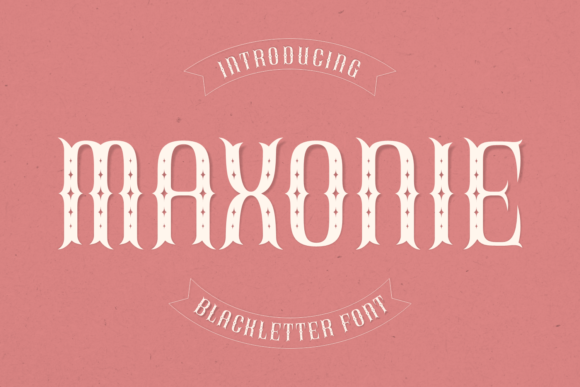
Maxonie is a premium font that commands attention. It’s a bold, cool, and assertive blackletter typeface, but it’s designed with a contemporary edge. Forget the overly ornate, hard-to-read scripts of centuries past. Maxonie takes the strong, angular skeleton of blackletter letterforms and streamlines them. The result is a display font with incredible visual weight and a distinct personality. It feels both historic and futuristic, making it a powerful tool in a designer's arsenal. Its sharp lines and deliberate strokes create a sense of authority and confidence, perfect for projects that need to make an immediate, memorable impact.
What makes Maxonie stand out in the world of creative fonts is its versatility within a specific niche. While a traditional blackletter can feel stuffy or overly gothic, Maxonie maintains a cool, clean presence. This isn't a font for body text; it's a headline-grabber. Think of it as the typographic equivalent of a leather jacket—edgy, stylish, and instantly recognizable. Its visual appeal lies in this balance: the historical weight of blackletter typography fused with a modern sensibility that feels relevant to today's design trends.
Where Maxonie Truly Shines: Practical Applications
Knowing a font’s personality is one thing; understanding where to apply it is where the real value lies. Maxonie isn’t a one-size-fits-all typeface, but in the right context, it’s unmatched. Its primary strength is in any design where a strong brand identity or a powerful message is the goal. For entrepreneurs and small business owners in industries like craft brewing, artisanal goods, menswear, or outdoor apparel, Maxonie can become the cornerstone of a logo design. It communicates heritage, craftsmanship, and a no-nonsense attitude.
For marketers and content creators, this is a fantastic font for social media graphics that need to stop the scroll. A bold quote, a product launch announcement, or a podcast title set in Maxonie will cut through the visual noise. In editorial design, it can be used for magazine covers or chapter openers to create a dramatic, high-contrast layout against a clean sans serif font for body copy. Its application extends to packaging design, where it can add a premium, artisanal feel to labels for spirits, coffee, or specialty foods. Even for personal projects like event posters for a music festival or a custom apparel design, Maxonie delivers a professional, high-impact result.
Integrating Maxonie Into Your Design Workflow
Adopting a new display font into your projects requires some practical consideration. First, always evaluate the project fit. Maxonie excels in contexts that call for boldness and a touch of rebellion or heritage. It might not be the right choice for a children's book or a corporate financial report, but it’s perfect for a fitness brand, a record label, or a streetwear company. Before committing, test it. Set your key headlines and see how it interacts with the other design assets in your layout.
This leads to the crucial practice of font pairing. A powerful typeface like Maxonie needs a partner that complements rather than competes. The classic and often best approach is to pair it with a simple, neutral sans serif font. Think of fonts like Helvetica, Inter, or Lato for your subheadings and body text. This creates a clear visual hierarchy, allowing Maxonie to own the spotlight while the supporting text remains highly readable. You could also pair it with a clean serif font for a more editorial feel, but avoid pairing it with another strong script or handwritten font, as this will create visual chaos.
When you acquire Maxonie, review the included styles and glyphs. A good premium font often comes with alternates, ligatures, and extended language support. These features are not just extras; they are tools for fine-tuning your typography and ensuring consistency across all your brand identity materials. Finally, understand the licensing. For any commercial use—whether it’s for a client’s logo, merchandise for sale, or a monetized website—you need to ensure you have the correct commercial font license. This protects you legally and supports the type designers who create these valuable resources. By thoughtfully integrating Maxonie, you move beyond just using a font and start leveraging it as a strategic element for audience engagement and brand recognition.